
In recent years, cities around the world have been taking bold steps to address environmental challenges by adopting sustainable practices. Among the most impactful and transformative of these initiatives is urban permaculture—a holistic design approach that mimics natural ecosystems to create self-sustaining environments. Urban permaculture is not just a trend; it’s a revolutionary movement, empowering communities to reconnect with nature, grow their own food, and reduce their environmental footprint.
In this article, we explore how urban communities are embracing permaculture and leading the way in the green revolution.
What is Urban Permaculture?
Permaculture, at its core, is a sustainable approach to agriculture and land management that works in harmony with nature. In urban environments, it takes on a unique form, utilizing small, often overlooked spaces like rooftops, balconies, and community gardens to grow food, manage waste, and create thriving ecosystems. The principles of permaculture—such as observing and mimicking nature, conserving resources, and creating closed-loop systems—are applied to create resilient urban landscapes that benefit both people and the planet.
Why Urban Permaculture Matters
Cities are home to the majority of the world's population, and with urbanization on the rise, the pressure on natural resources is increasing. Urban permaculture offers a solution by transforming concrete jungles into green spaces that can help alleviate food insecurity, reduce pollution, and promote biodiversity.
Moreover, urban permaculture fosters community engagement. It empowers individuals to take control of their food production, reduces reliance on long supply chains, and strengthens local economies. By turning urban areas into productive, regenerative spaces, residents gain more than just fresh vegetables—they gain a sense of ownership and responsibility for their environment.
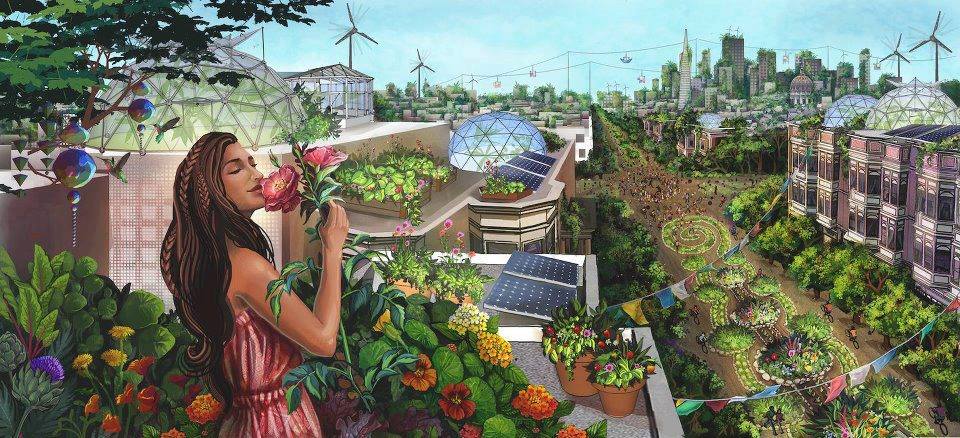
Examples of Urban Permaculture in Action
- 1. Rooftop Gardens and Vertical Farms: In densely populated cities where space is limited, rooftop gardens and vertical farming have become popular permaculture practices. These systems make efficient use of space, using vertical layers to grow food and flowers. Rooftops that once sat idle are now thriving with edible plants, providing fresh produce to local residents and reducing the heat island effect in urban areas. A great example is the Brooklyn Grange in New York City, one of the largest rooftop farms in the world. It not only grows a variety of crops using organic practices but also offers educational programs to teach city dwellers how to create their own urban gardens.
- 2. Community Food Forests: Urban communities are transforming public spaces into food forests—permaculture-inspired green spaces where fruit trees, edible plants, and herbs are grown collectively. These forests provide free access to fresh, organic produce while restoring green spaces within cities. The Beacon Food Forest in Seattle is a prime example. It was created by volunteers and residents who wanted to make local, healthy food accessible to all. The project has since grown into a vital part of the community, offering workshops and events to promote sustainable living.
- 3. Permaculture Workshops and Educational Programs: Many urban communities are hosting permaculture workshops to spread knowledge about sustainable living. These programs teach residents how to grow their own food, harvest rainwater, compost kitchen waste, and even use renewable energy solutions. The goal is to equip urban dwellers with the skills and knowledge to create their own sustainable ecosystems, even in the smallest spaces. For example, in cities like Melbourne and London, local permaculture organizations regularly host workshops on topics ranging from seed saving to regenerative gardening, helping to inspire more individuals to adopt sustainable practices.
How You Can Get Involved
Urban permaculture is a movement that everyone can be a part of, whether you live in an apartment, house, or even a shared living space. Here are some ways to start:
- Create a Small-Scale Garden: Whether it’s a window box, balcony garden, or rooftop space, growing your own food is one of the most rewarding ways to engage with urban permaculture. Start with herbs, small vegetables, or even microgreens.
- Join a Community Garden: If you don’t have access to space at home, consider joining or volunteering at a local community garden. These spaces provide shared resources and a great opportunity to learn from others.
- Take a Permaculture Workshop: Many cities offer permaculture courses that cover the basics of design, soil health, and sustainable gardening. These workshops are a great way to get hands-on experience and connect with like-minded individuals.
- Advocate for Green Spaces: Urban permaculture thrives with community support. Advocate for more green spaces in your city by attending local meetings, participating in clean-up days, or supporting policies that promote sustainable urban planning.
The Future of Urban Permaculture
As cities continue to grow and evolve, urban permaculture has the potential to transform how we think about food, sustainability, and community. By creating resilient, productive ecosystems in urban areas, we can reduce our dependence on industrial food systems, mitigate the impacts of climate change, and foster a healthier relationship between people and nature.
The green revolution is happening now, and it’s being led by forward-thinking urban communities around the globe. Through small, localized actions like permaculture, we can build more sustainable, self-reliant cities that prioritize the well-being of both people and the environment.

